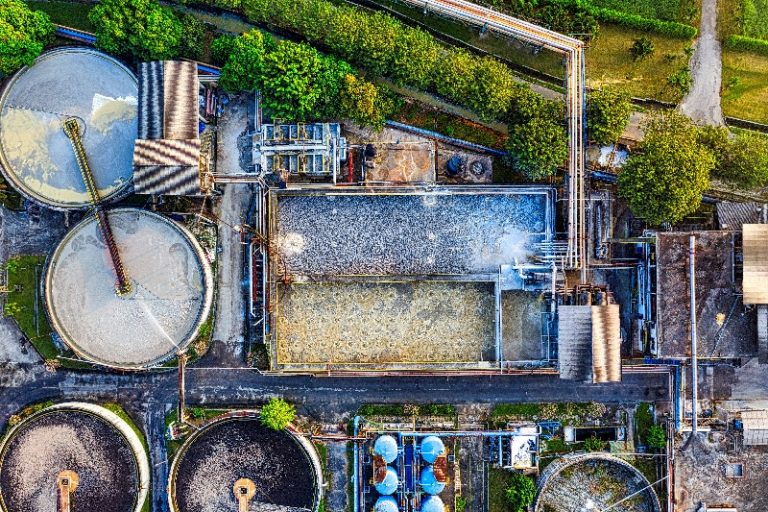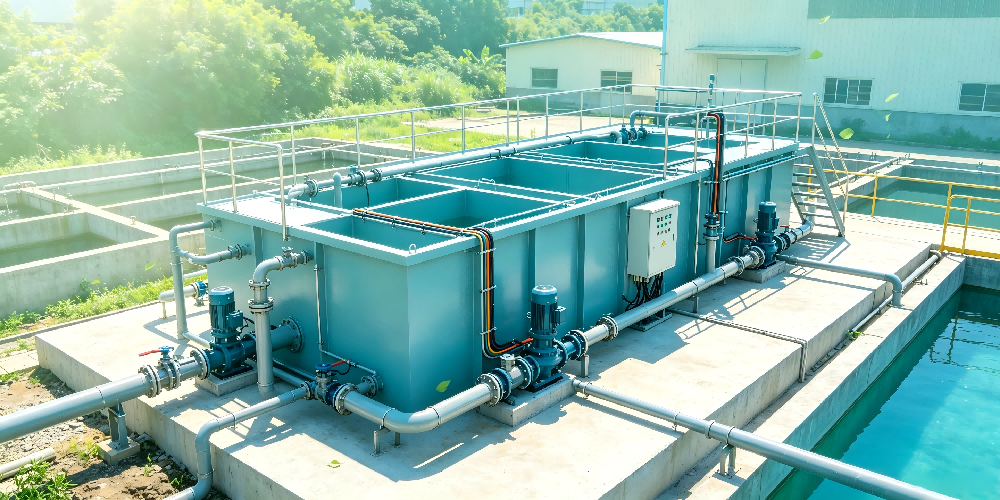
Integrated wastewater treatment equipment is widely used in municipal projects, industrial facilities, rural sanitation, and small scale sewage stations. Its value lies in compact layout, high process integration, and fast installation. To ensure stable compliance under different operating conditions, the equipment is typically built from several functional units, each responsible for a specific treatment task within the overall purification process.
Pre-Treatment Unit
The pre treatment section removes large solids and stabilizes influent quality. Common structures include:
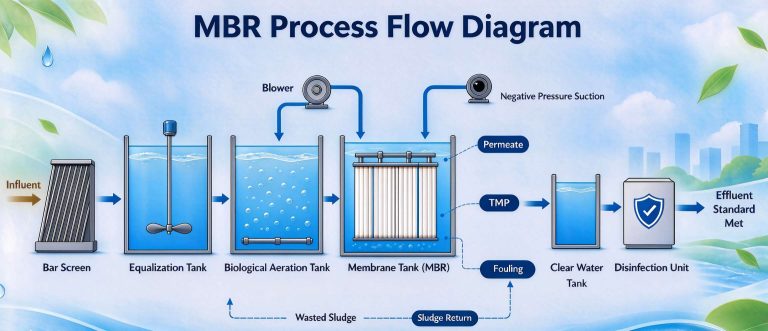
Bar screen or filter mesh — intercepts large debris;
Equalization tank — balances flow and load, preventing shock impacts;
Lifting pump system — transfers wastewater to downstream units.
Although simple, this unit directly affects the stability of the entire system.
Biological Treatment Unit
The biological zone is the core of the equipment, responsible for removing organic pollutants and ammonia nitrogen. Typical processes include:
A/O (Anoxic–Oxic) process — suitable for domestic and general industrial wastewater;
MBR (Membrane Bioreactor) — delivers more stable effluent and supports upgrade projects;
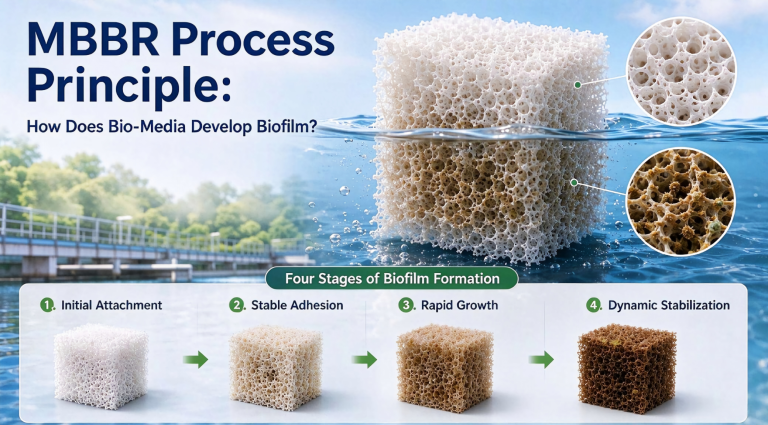
Contact oxidation — robust and easy to maintain.
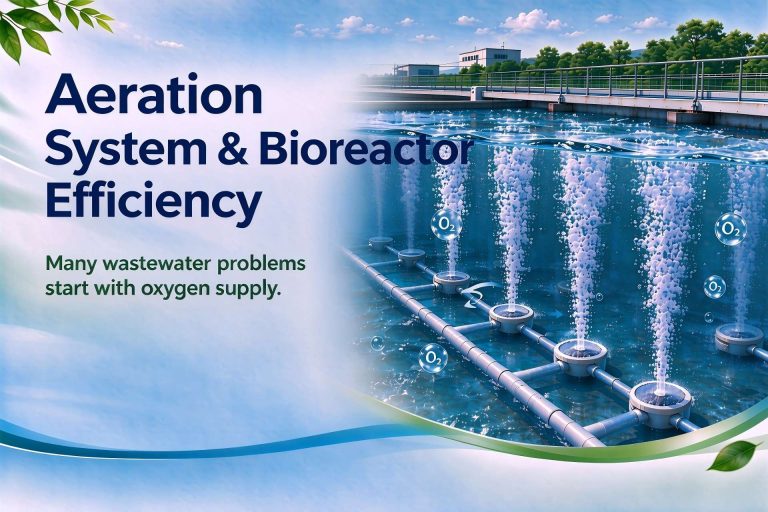
Aeration systems, carriers, and circulation pumps are usually integrated to maintain microbial activity and reaction efficiency.
Solid–Liquid Separation Unit
This unit determines effluent clarity and is essential for meeting discharge standards. Common options include:
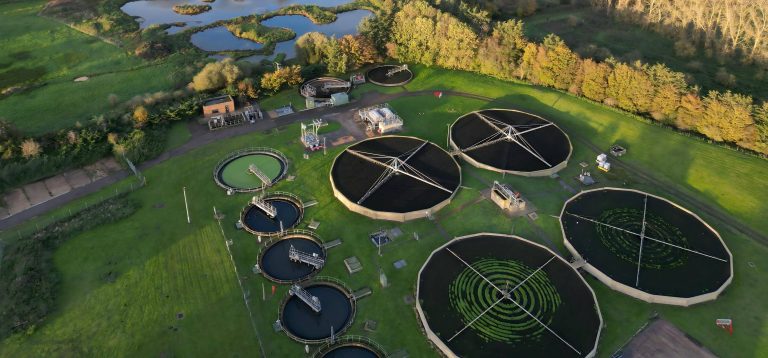
Sedimentation zone — gravity-based separation;
MBR membrane modules — produce high quality effluent through membrane filtration;
Lamella clarifiers or flotation units — used for specific industrial applications.
The selection depends on discharge requirements and long term operating cost considerations.
Disinfection Unit
Disinfection ensures the safety of final effluent. Typical methods include:
UV disinfection — chemical free, suitable for reuse applications;
Chlorine dioxide — effective for higher disinfection demands.
This unit is usually positioned at the end of the treatment chain.
Automation and Control System
Integrated systems commonly use PLC based automation to manage:
- Real time operation monitoring;
- Automatic control of pumps, blowers, and valves;
- Fault alarms and remote management.
- Automation reduces labor intensity and enhances operational stability.
Equipment Shell and Auxiliary Structures
The main body is typically made of carbon steel with anti corrosion coating, FRP, or stainless steel, ensuring durability in harsh environments. Auxiliary structures include:
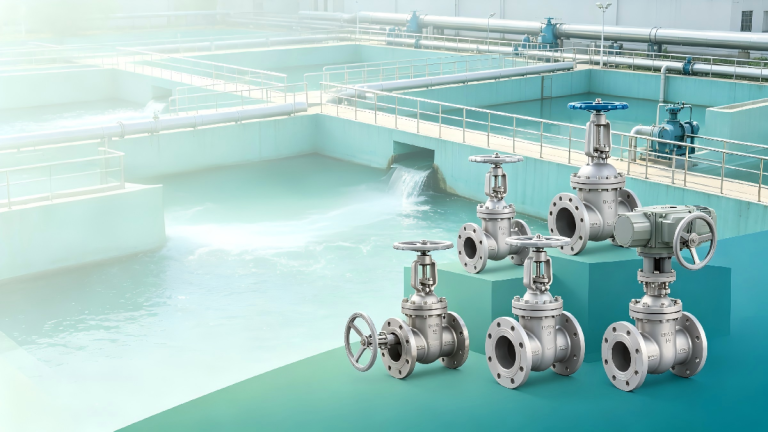
- Piping and valve systems;
- Ventilation components;
- Inspection ports and observation windows;
- Soil covering structures for buried installations.
- These elements support long term, stable operation across different site conditions.
Summary
Integrated wastewater treatment equipment combines multiple process units—pre treatment, biological reaction, solid–liquid separation, disinfection, and automation—into a compact and efficient system. Whether for new construction or upgrade projects, selecting the right process configuration and structural design is key to achieving stable, compliant discharge.