Wastewater‑treatment workflows may appear complicated, yet their core logic is straightforward: separate, degrade and stabilise pollutants to restore water to a safe condition. Whether you are handling municipal sewage, industrial wastewater or rural sewage, this underlying principle stays identical — only the treatment depth varies.
This article breaks down the core stages of wastewater‑treatment systems.
1. Preliminary Treatment: Remove Large and Clog‑prone Debris First
The goal of preliminary treatment is clear: protect downstream equipment, minimise clogging and stabilise incoming influent flow.
Common unit operations:
‑ Bar screens: trap large‑size solid debris
‑ Collecting sump: balance incoming water volume
‑ Lift pumps: deliver wastewater to main treatment units
‑ Equalization tank: stabilise water quality, absorb hydraulic peak‑and‑valley fluctuations
Preliminary treatment does not remove pollutants; it only addresses physical challenges. Still, it lays the foundation for stable performance of the whole system.
2. Primary Treatment: Initial Gravity Settling
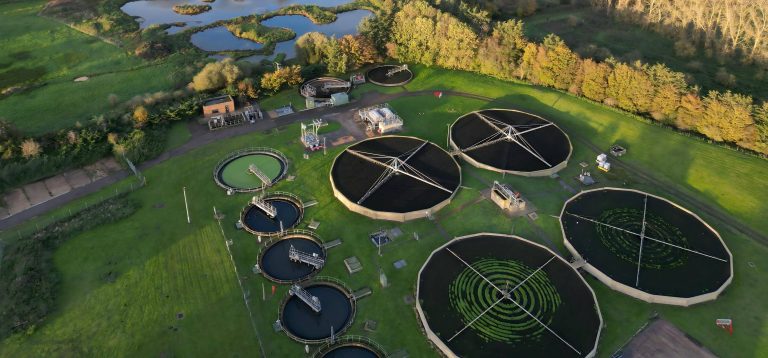
Primary treatment centres on physical sedimentation. Gravity drives suspended solids down to the tank bottom and reduces the load on subsequent biological stages.
Common facilities:
‑ Primary clarifiers
‑ Dissolved‑air flotation systems (for oil and light‑density contaminants)
Primary treatment removes roughly 20%‑30% of pollutants and cannot achieve discharge standards. Its purpose is load reduction rather than full purification.
3. Biological Treatment: The Heart of Wastewater Treatment
Biological treatment represents the main battlefield of sewage treatment. Its core principle: microorganisms consume organic pollutants.
Common biological processes:
‑ A/O
‑ A²/O
‑ MBR
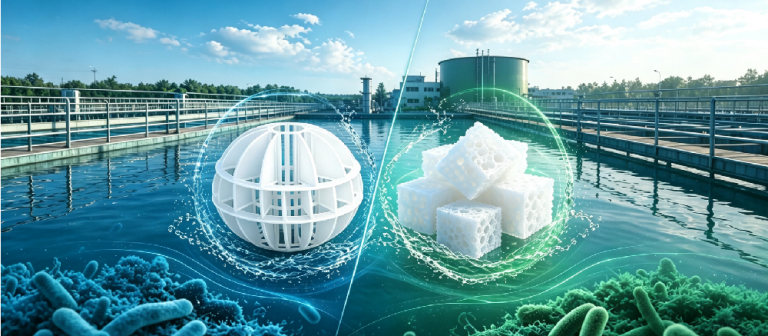
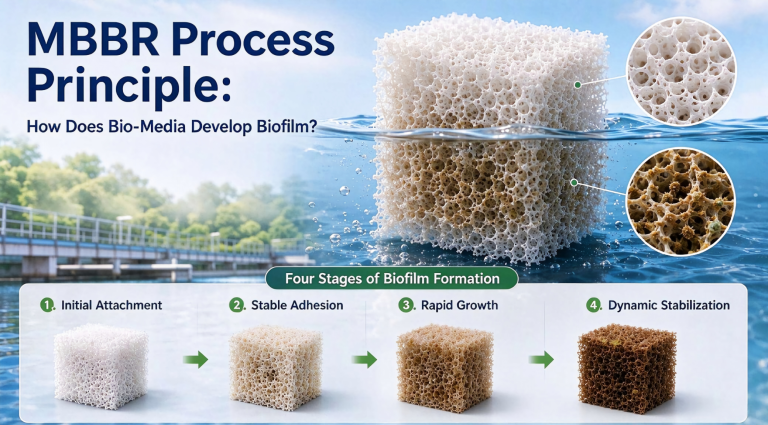
‑ MBBR
‑ SBR
Biological treatment targets these contaminants:
‑ COD
‑ BOD
‑ Ammonia‑nitrogen
‑ total nitrogen
‑ total phosphorus
Differences among these processes lie in how to make microorganisms work more efficiently.
Three critical components for biological treatment:
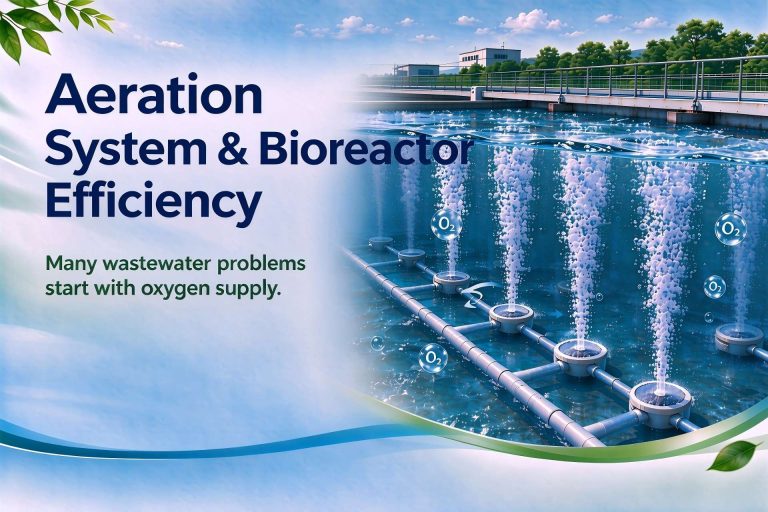
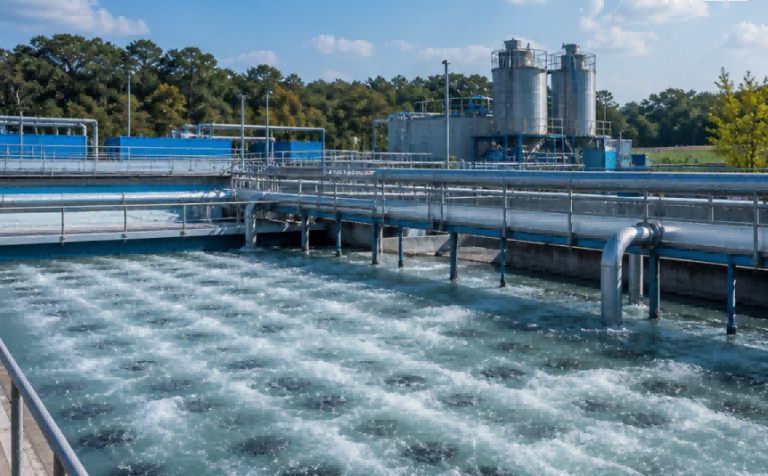
Aeration system: supplies oxygen for microbial communities
Recirculation system: maintains microbial biomass concentration
Tank geometry: defines overall reaction efficiency
Biological stages typically eliminate 70%‑90% of pollutants, which is essential to meet discharge compliance.
4. Secondary Clarifier: Separate Sludge from Treated Water
After biological reactions, large volumes of activated sludge remain mixed with water and require solid‑liquid separation.
Key functions of secondary clarifiers:
‑ Settle biological sludge
‑ Allow clarified water to flow out
‑ Return part of activated sludge back to biological tanks
‑ Discharge waste surplus sludge
Operating conditions of secondary clarifiers directly determine how clear the final effluent will be.
5. Tertiary / Advanced Treatment: Produce Cleaner, More Stable Water
Advanced‑treatment stages are added when higher effluent quality standards are required.
Common advanced‑treatment technologies:
‑ Sand filtration
‑ Activated‑carbon treatment
‑ Ultrafiltration (UF)
‑ Nanofiltration (NF)
‑ Reverse osmosis (RO)
‑ Disinfection (UV light, sodium hypochlorite)
Purpose of advanced treatment: further remove fine particles, colour, residual chlorine, bacteria and other trace contaminants.
Typical application scenarios:
‑ Water reuse & recycling
‑ Strict‑standard effluent discharge
‑ Process water supply for industrial production
6. Sludge Treatment — The Often‑overlooked Half of Wastewater Treatment
Sludge is an inevitable by‑product of sewage treatment. Poor sludge handling will compromise the performance of the whole plant.
Typical sludge‑treatment workflow:
‑ Thickening
‑ Dewatering
‑ Thermal drying
‑ Off‑site final disposal
Core objectives: volume reduction, stabilisation and harmless disposal.
Underlying Logic Behind All Treatment Workflows
Breaking down every piece of equipment makes the process look complex. Fundamentally, there are only three major steps:
① Remove coarse large‑size materials: preliminary treatment, sedimentation, flotation
② Degrade dissolved pollutants: biological treatment (microorganism consumption)
③ Polish residual fine particles & hazards: advanced treatment, disinfection, sludge disposal
This is the universal core logic for all wastewater‑treatment technologies.
Why Do Projects Adopt Different Process Configurations?
Process selection is always driven by two variables for each individual project: What contaminants are present in the incoming water? What discharge or reuse standard must be achieved?
That explains why municipal sewage, industrial wastewater, rural sewage and livestock‑breeding wastewater deploy different set‑ups — yet they share identical basic treatment principles.
Closing Summary
Wastewater treatment is not obscure theoretical jargon. Its core workflow always follows this sequence:
Preliminary Treatment → Biological Treatment → Sedimentation → Advanced Treatment → Sludge Handling
Once you master this main sequence, you can understand nearly all common wastewater‑treatment processes.