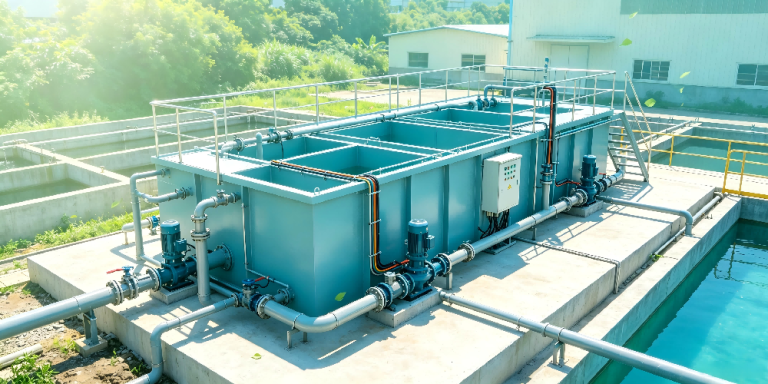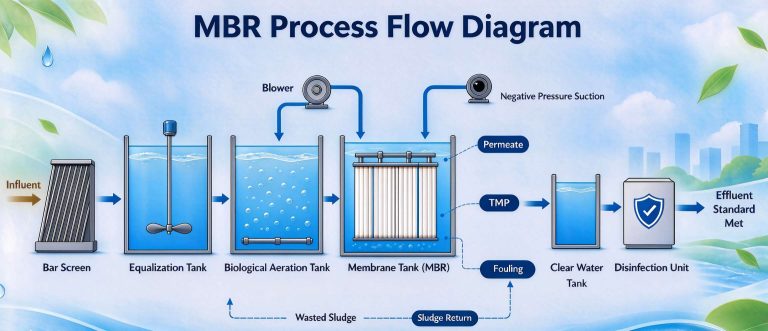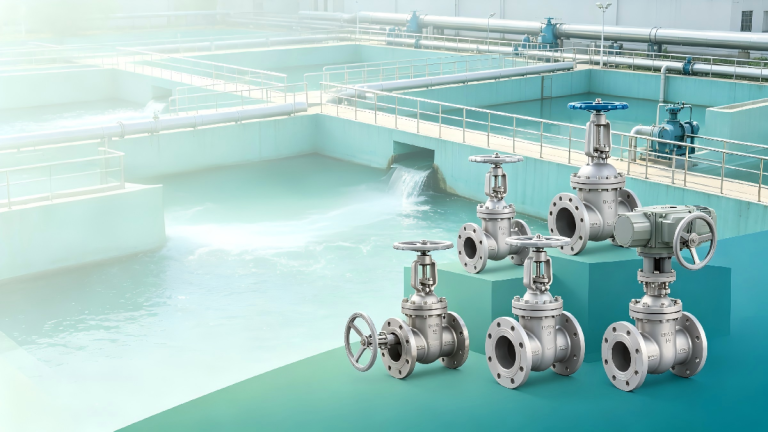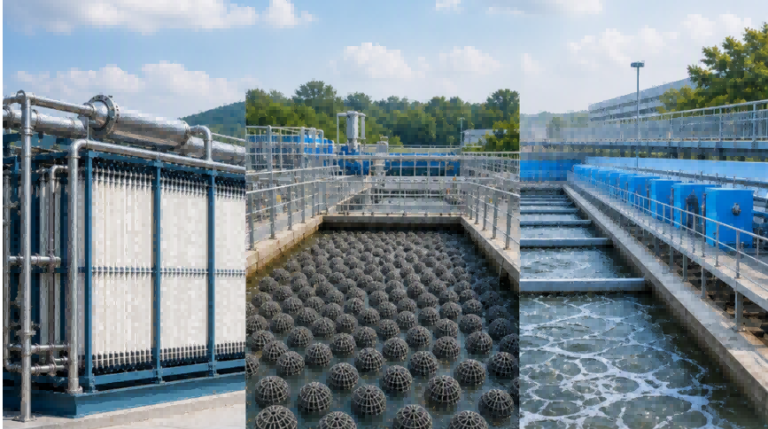
Many people in the environmental industry emphasise how critical equipment is — yet what exactly makes it so important? A lot of stakeholders view environmental‑protection equipment merely as a collection of standalone machines inside wastewater‑treatment plants: aerators, membrane modules, chemical dosing units, blowers, valves and more. In reality, these systems deliver far more value than just treating wastewater.
Environmental‑protection equipment fulfils five core missions: pollutant abatement, stable production, cost optimisation, regulatory compliance assurance and environmental improvement. Below is a detailed breakdown.
1. Primary Goal: Pollutant Removal
This is the fundamental purpose of all environmental‑protection equipment. These systems treat a broad spectrum of contaminants:
‑ Organic pollutants such as COD and BOD
‑ Nutrients including ammonia‑nitrogen, total nitrogen and total phosphorus
‑ Suspended solids (SS), oils, greases and heavy metals
‑ Diverse chemical pollutants
‑ Hazardous agents such as microorganisms and bacteria
Left untreated, these contaminants cause obvious harm: black and odorous water bodies, ecological degradation, groundwater contamination and elevated public‑health risks.
The core function of environmental‑protection equipment is straightforward yet vital: effectively remove pollutants so that water can be safely discharged, reused or recycled.
2. Guarantee Stable Industrial Production
Many enterprises misunderstand environmental‑protection equipment as an optional add‑on. Instead, it forms an integrated component of overall production workflows.
Unreliable wastewater‑treatment systems may trigger serious consequences:
‑ Production‑line shutdowns
‑ Non‑compliant effluent discharge
‑ System failures caused by excessive sludge accumulation
‑ Persistent odour nuisances and public complaints
Well‑engineered environmental equipment ensures consistent performance across multiple dimensions:
‑ Stable dissolved‑oxygen levels
‑ Reliable biofilm formation
‑ Predictable hydraulic flow conditions
‑ Consistent disinfection results
‑ Stable compliant effluent discharge
In short: robust environmental‑protection hardware keeps manufacturing operations running without disruptions triggered by environmental‑compliance issues.
3. Optimise Overall Operating Costs
High‑quality environmental‑protection equipment is not purely an expense — it generates measurable savings.
It helps cut multiple categories of operational expenditure:
‑ Energy consumption (via high‑efficiency aerators and energy‑saving blowers)
‑ Chemical consumption (accurate chemical‑dosing control)
‑ Labour costs (automated operation)
‑ Maintenance expenses (corrosion‑resistant construction and extended service life)
The true value of environmental‑protection equipment lies not in its purchase price, but in the ongoing cost savings it delivers throughout operation.
4. Manage Compliance and Operational Risks
Environmental compliance represents a non‑negotiable baseline for industrial operators.
Proper environmental‑protection equipment supports enterprises to:
‑ Meet statutory effluent‑discharge standards
‑ Pass official project acceptance inspections
‑ Avoid financial penalties and forced production halts
‑ Minimise public complaints and negative public‑opinion events
‑ Enhance corporate social‑responsibility performance
It acts as a compliance safety shield without which stable business operations become unsustainable.
5. Drive Long‑term Environmental Sustainability
Beyond solving immediate discharge challenges, environmental‑protection equipment builds foundations for a sustainable future.
These systems contribute to:
‑ Urban pollution mitigation
‑ Reduced industrial pollutant discharge
‑ Mitigation of agricultural non‑point‑source pollution
‑ Water‑resource recycling and reuse
‑ Long‑term ecological and environmental restoration
Environmental‑protection equipment is never just isolated machinery. It constitutes complete systems that steer environmental conditions toward improvement.
6. Summary
The core value of environmental‑protection equipment can be summed up in one statement:
It treats pollutants, keeps industrial production operational, supports environmental restoration and builds a more sustainable future.
That defines exactly what environmental‑protection equipment accomplishes, and it is the driving force behind our long‑term commitment to this industry.