The environmental‑protection industry covers process technology, hardware equipment, materials, electrical control and many other disciplines. To help clients, engineers and procurement personnel quickly grasp core technical concepts, this article systematically organises common terminology from two dimensions: wastewater‑treatment process workflows and equipment system categories. It serves as a handy reference for project communication and technical equipment selection.
I. Terms Grouped by Wastewater‑Treatment Process Flow
1. Pre‑treatment Stage
Bar Screen: Intercepts large‑size debris to protect downstream equipment. Available in mechanical and manual types.
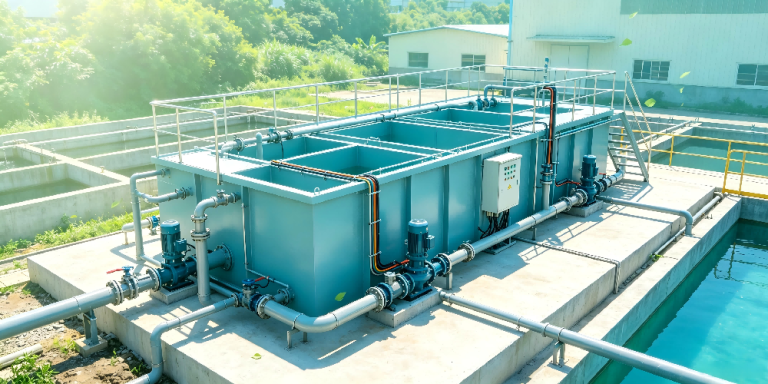
Lift Pump: Conveys wastewater to subsequent treatment units; submersible sewage pumps and vertical pumps are widely adopted.
Equalization Tank: Balances fluctuations in water volume and water quality to secure stable system operation.
2. Biochemical Treatment Stage
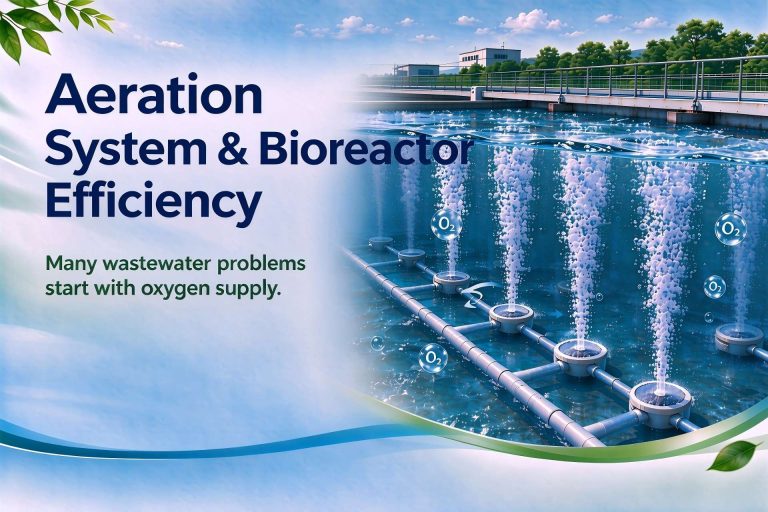
Aeration System: Blowers deliver compressed air into water to supply dissolved oxygen and generate hydraulic mixing.
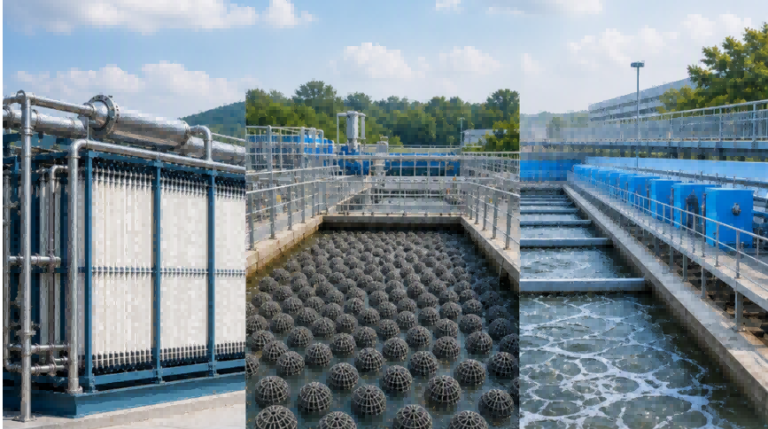
Aerator Diffuser Head: Breaks air into fine micro‑bubbles for improved oxygen‑transfer efficiency.
Aeration Tube / Aeration Disc: Distributes air evenly; commonly used in oxidation ditches, biochemical tanks and MBR systems.
MBR Membrane: Integrates biochemical degradation with membrane separation, delivering stable high‑quality effluent within a compact footprint.
Sludge Recirculation System: Maintains microbial biomass concentration in biochemical tanks and prevents sludge loss or sludge ageing.
3. Solid‑liquid Separation Stage
This phase separates sludge from clarified water and represents a key step for conventional treatment processes.
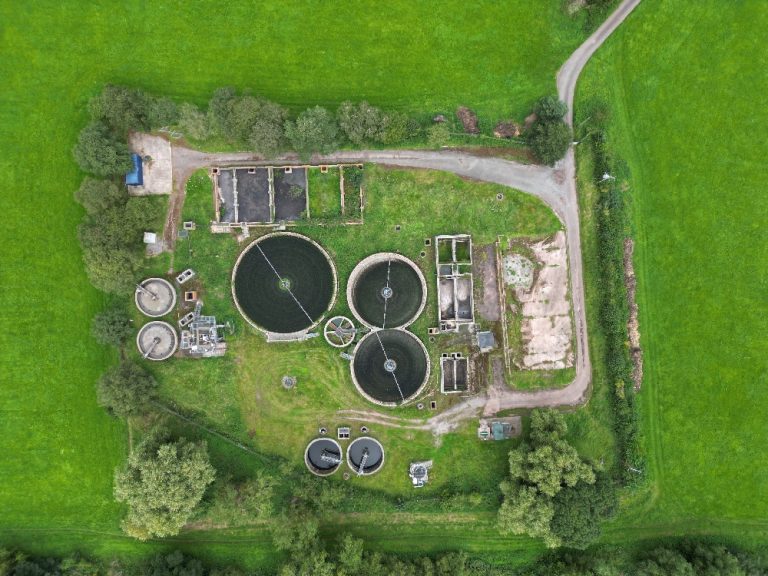
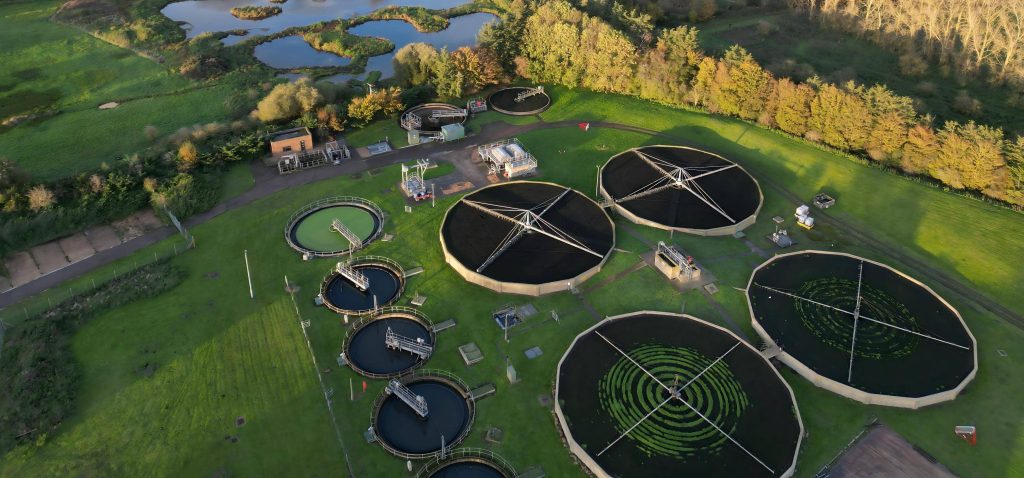
Sedimentation Tank: Achieves solid‑liquid separation through gravitational settling.
ABS Filter Plate: Installed at the bottom of filter tanks for media support and water distribution. Monolithic cast construction with excellent corrosion resistance and high load‑bearing capacity.
Filter Nozzle: Mounted on filter plates for water distribution and back‑wash operations.
4. Advanced Treatment Stage
Further upgrades effluent quality by removing fine particles, colour, hardness and dissolved contaminants.
Sand Filtration: Traps fine suspended solids via quartz‑sand media and reduces turbidity.
Activated‑Carbon Filtration: Adsorbs colour, odour, organic compounds and partial heavy metals.
Ultrafiltration (UF): Removes colloids, bacteria and large‑molecule organics for consistent effluent quality.
Nanofiltration (NF): Reduces water hardness, partial salts and organic pollutants.
Reverse Osmosis (RO): High‑level purification removing most dissolved contaminants and salts.
Ion Exchange: Applied for water softening, desalination and heavy‑metal removal.
Dissolved‑Air Flotation (DAF): Micro‑bubbles attach to suspended solids so pollutants rise for separation.
Coagulation / Flocculation: Aggregates fine particles into larger flocs to facilitate sedimentation or filtration.
5. Disinfection Stage
Eliminates bacteria and viruses as the final guarantee for compliant discharge.
UV Disinfection: Produces no chemical residues; well‑suited for water‑reuse projects.
Ozone Disinfection: Powerful oxidising capability that removes both colour and odour simultaneously.
Sodium Hypochlorite Disinfection: Widely deployed for municipal sewage, industrial wastewater and potable‑water plants.
II. Terms Grouped by Equipment‑system Categories
1. Blower & Gas Supply Systems
Roots Blower: Suitable for aeration systems requiring medium‑to‑high air pressure.
Side‑channel Blower: Compact and low‑noise, ideal for small‑scale aeration applications.
Blower Room: Enclosure housing blowers and electrical cabinets; proper ventilation and noise reduction are essential in design.
2. Sludge‑handling Systems
Sludge Thickening: Raises sludge concentration and lowers the processing load of downstream units.
Sludge Dewatering Machine: Reduces sludge moisture content. Common configurations include plate‑and‑frame, belt‑type and screw dewaterers.
3. Electrical & Automatic‑control Systems
PLC Control System: Enables automatic equipment start‑stop, fault alarming and data acquisition.
Electrical Control Cabinet: Centralised management for blowers, pumps, chemical‑dosing units and other process hardware.
Remote‑monitoring System: Supports unattended operation, data upload and remote commissioning.
Conclusion
The environmental‑protection industry features extensive technical vocabulary. When sorted by process workflows and equipment categories, the function and application scenarios of each term become straightforward.
This systematic glossary supports efficient, professional communication for project discussions, client training and technical content development.